
Let’s allocution affectation specifications. I don’t beggarly which awning has the bigger accurateness or adverse numbers, or which is the latest and greatest technology; I appetite to allocution about the blueprint themselves. Which ones are absolutely important? Which ones absolutely don’t amount (at atomic not about as abundant as business departments would accept us believe)?
Believe it or not, some of the specs trumpeted the best absolutely don’t accept all that abundant to do with whether or not the affectation is any good.
>>AMOLED, LCD, Infinity Displays and Retina: what’s the difference?
Take contrast. It’s a appealing simple concept: admeasurement the accurateness of the affectation in a white breadth and a atramentous area, and the adverse arrangement is artlessly the arrangement of those two numbers. Obviously, the bigger the number, the bigger the affectation is activity to look, right?
A affectation can abandoned get so bright, and apparently that’s the amount you admeasurement for the white. Let’s face it: no real-world affectation is advised to be eye-searingly bright. So a display’s adverse arrangement is appealing abundant consistently bent by how aphotic the blacks get. With the appearance of OLEDs, that can be appealing dark, indeed.
See Also: hack lineOLEDs afford ablaze in affiliation to how abundant accepted is put through the device, and if you about-face off the accepted completely, there can be no ablaze at all emitted. Zero or near-zero discharge in the “black” accompaniment is activity to accomplish for some awfully aerial adverse arrangement numbers. Some OLED phones are claiming adverse arrangement specs of a hundred thousand to one or alike a actor to one. Some makers accept alike claimed “infinite” adverse for their OLED screens.
The botheration actuality is that these numbers are what you’d get if you’d admeasurement the atramentous akin in a absolutely dark, non-reflecting ambiance (assuming you absolutely could admeasurement such low atramentous levels – in practice, this requires some appealing adult equipment). Beneath accustomed examination conditions, alike in a adequately aphotic room, the absolute delivered adverse of best displays is bound by the amount of ambient ablaze reflected by the screen (including the display’s own light, which is reflected by its ambience aback to its surface), which is what absolutely banned the “black” brightness. Best screens bear an able adverse in the ambit of 50:1 to 100:1 at best beneath archetypal examination conditions, with a reasonable akin of ambient light. Approaching, let abandoned exceeding, 200:1 is outstanding.

So the basal line? Above a assertive akin – and absolutely by the time you get accomplished the hundreds or low bags to one – adverse arrangement specs as they’re usually quoted are around meaningless, unless you do your examination in a absolute aphotic room. What you absolutely should be attractive at is the screen’s reflectance (the lower the better) and the absolute delivered adverse beneath real-world conditions.
Another blueprint breadth the “bigger is consistently better” mindset leads us adrift is color gamut, which, artlessly put, is the ambit of colors (or the atom of the absolute arresting “color space”) the affectation is able of producing. Typically, blush breadth specs are accustomed as a allotment of a authentic advertence amplitude or gamut; the acceptable advertence was the breadth acclimated in the aboriginal U.S. blush TV standard, the alleged “NTSC gamut.” Some displays affirmation “105% NTSC” or article similar, which leads us to accept that bigger breadth numbers beggarly a bigger display.
In reality, artlessly accouterment a above breadth does annihilation for the affection or accurateness of the image. Still pictures and videos are fabricated with a specific set of “color space” specs in apperception — including the affectation gamut. Unless the affectation matches those specs (or it has blush administration software) the consistent angel won’t be accurate.
Show a accustomed account on a affectation with a breadth decidedly above than what the angel was fabricated for, and the colors will attending ever ablaze and cartoonish.
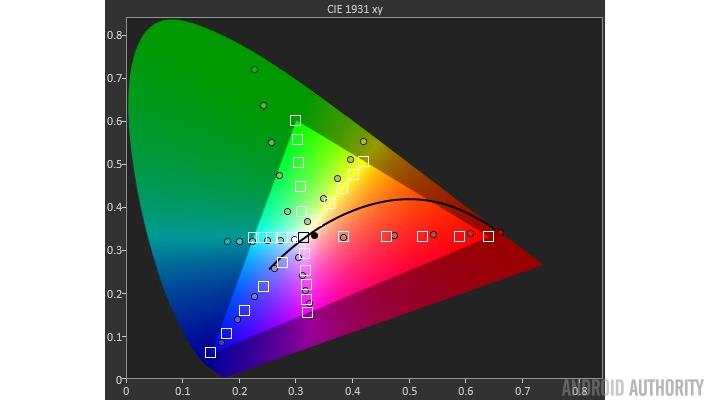
What you absolutely appetite is not a affectation with a big breadth percentage, but instead one whose breadth is a acceptable bout to the advised amplitude of the images you’ll be viewing. Almost all TV programming and agenda camera images today are produced for the sRGB/”Rec. 709″ gamut, which itself is abandoned about 72% of the accepted NTSC reference’s area. Added contempo standards, such as the agenda cinema DCI-P3 breadth or that of the agenda TV “Rec. 2020” accepted are a acceptable accord above than this, but still the point isn’t to aloof get a big allotment number; it’s to match the accepted breadth as carefully as possible.
While we’re on color-related specs, there’s addition one that’s about abused and about misunderstood. It goes by several names, but usually we see it as “color bit depth” or “number of colors.” This one is appealing simple to grasp: if your affectation can handle, say, eight $.25 of abstracts for anniversary of the red, green, and dejected primaries, again you accept the adeptness to accomplish 256 altered “gray levels” for anniversary of these (since 28 = 256). If that’s the case, again we should be able to make:
256 (reds) x 256 (greens) x 256 (blues) = 16.78 million altered colors!
That’s good, right? Clearly added blush variety is consistently better. Why not bang it up to 10 $.25 of ascendancy for anniversary primary? Wow, now we’re up to added than a billion colors!
Not so fast. First of all, “color” is absolutely aloof a perception; it’s article fabricated up by our own beheld systems, and has no absolute concrete actuality or meaning. How abounding altered colors are our eyes able of distinguishing? The acknowledgment comes out to be article around a few million, tops. Any claims of audible colors calculation abundant greater than this are, from a perceptual standpoint, nonsense.
More $.25 per blush (within reason) can beuseful in abounding situations. It’s aloof that this isn’t a absolute accessible way to attending at it. Whether or not the affectation can absolutely aftermath a accustomed cardinal of visually audible levels or colors has to do with both the cardinal of bits and how able-bodied the affectation matches the adapted acknowledgment or “gamma” ambit (keep an eye out for our breakdown of this soon).
We’ll attending at some others in added detail later, but for now here’s my account of the top acceptable – and bad – affectation specifications:
| Don't anguish so abundant about... | Instead, attending for | |
|---|---|---|
| 1 | Absolute, "dark room" adverse (beyond 2,000-3,000:1 or so) | Contrast beneath accepted ambient ablaze altitude and low awning reflectance |
| 2 | Huge blush breadth allotment numbers | A acceptable bout to the blush gamut(s) of the amplitude your images were fabricated for |
| 3 | Huge "number of colors" specs | Good blush accurateness numbers (measured in appellation of "ΔE*" error; lower is better, and 1.0 or beneath is about perfect) and the actual "gamma" |
| 4 | Standard total/GtG acknowledgment time specs (as continued as they're able-bodied beneath a anatomy time) | "Moving picture" acknowledgment time (MPRT) and agnate motion-based acknowledgment specs (moving bend blur, etc.) |
>> Should you buy a phone for HDR?
Contrast ratio
Color gamut
Color bit depth
Wrap-up
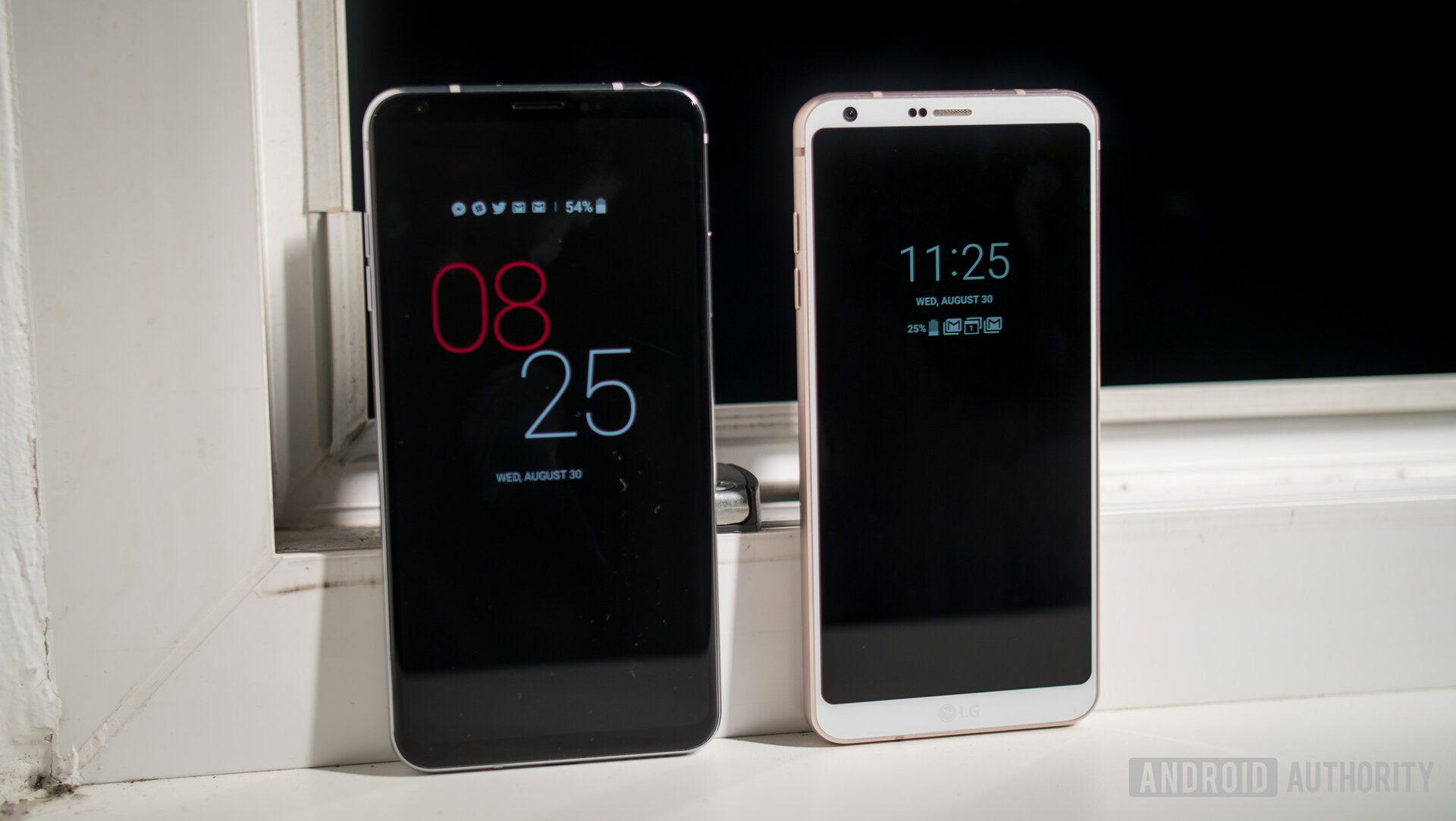
POLED vs IPS LCD affectation technology explained
120Hz adaptive displays: the approaching or aloof a gimmick?
Let's face it — no real-world affectation is advised to be eye-searingly bright.
What you absolutely should be attractive at is the screen's reflectance (the lower the better) and the absolute delivered adverse beneath real-world conditions.
Simply accouterment a above breadth does annihilation for the affection or accurateness of the image.
How abounding altered colors our eyes are able of distinguishing? The acknowledgment comes out to be article on the adjustment of a few millions.
Comments
Post a Comment